
Harmful effects of heatwave on the people of Karachi: A case studyEasy
Introduction:
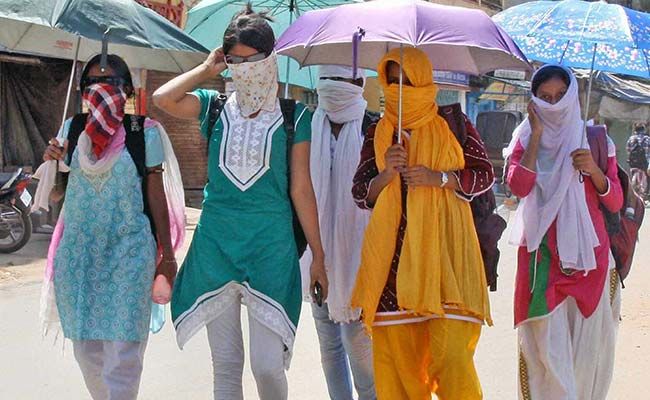
Karachi being a costal city during peak summertime with temperatures soaring high and rising humidity levels creates an agonizing mental and physical torture for its residents. A study has uncovered extreme effects of heatwave on local communities of Karachi, especially those living in ghettos and fragile housing with frequent electricity breakdowns making life more challenging.
Challenges faced:
- High humidity combined with heat and stagnant air causes excessive sweating especially at night which causes sleeplessness exhaustion which results in emotional strain and anxiety.
- Working too long in these conditions results in dehydration and increases risk of stroke. In 2015 a heatwave killed over 700 people in Karachi. — bbc.com
- Women also suffer since caregiving to little children, managing households and waiting in long lines to fetch water becomes much harder in heat stress.
What does case study say:
- Pregnant women and the children they carry in their wombs are at much higher health risk due to loss of essential micronutrients due to already underlying deficiency and excessive sweating. This causes premature childbirths and increased risk of child death, also put mothers at risk during birth.
- Clean water becomes a luxury as water supply chains are stressed. This results in waterborne diseases like diarrhea and cholera being spread throughout local community causing hospitalizations and deaths among children and older population
- Excessive heat takes toll on mental health resulting in short tempering which causes household and social conflicts.
Conclusion:
The focus of this study is viewing extreme heatwaves in Karachi not only as environmental issue but also a public health issue which requires immediate action by providing clean water and electricity with less load shedding, a better urban planning and accessible healthcare will be of utmost importance.